After the Doors Lock: The Secret Life of the Closing-Time Pour
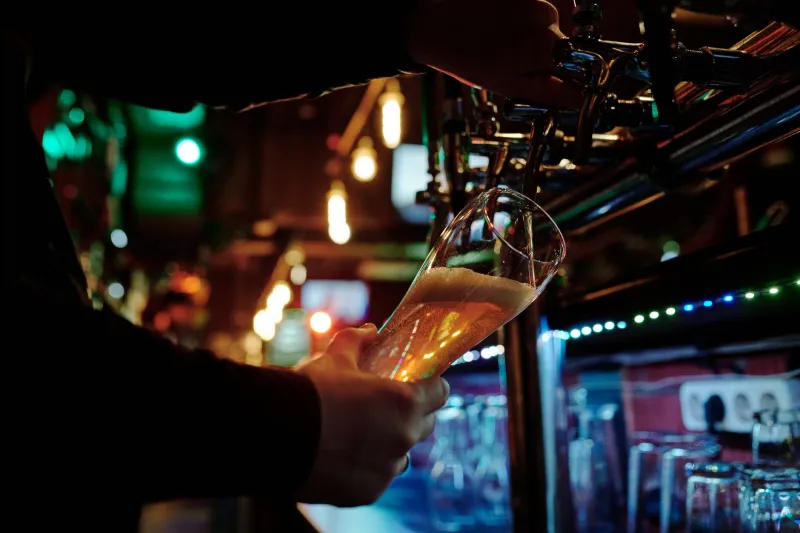
The last customer leaves. The stools go up. Someone kills the playlist, and the taproom drops about ten decibels into a different kind of place entirely.
That's when the real drinking starts.
Ask around the industry and you'll hear it again and again: the beer a brewery pours for itself after closing is often the most interesting beer in the building. It might be a batch that never made the menu. A cask pulled from the cellar for no reason other than someone earned it. A lager aged so long the accountant stopped asking about it. These are the pours that never appear on Untappd, and the people who drink them say that's exactly the point.
The Beer That Never Made the List
"Every brewery has a graveyard of batches that were too weird to sell," says a taproom manager in Grand Rapids who asked that we not name her brewery, mostly because the staff beer in question is technically brewed from the second runnings of a flagship stout. "Customers get the polished stuff. We get the experiments. Honestly, some of my favorite beers I've ever had came out of a sixtel that never made it to the board."
This is a quiet tradition across American craft brewing. The one-off saison fermented with leftover apricot puree. The hoppy table beer dry-hopped with whatever was open in the cooler. The smoke-heavy porter that terrified the tasting panel but has three devoted fans on the packaging line. These beers live in the walk-in, unlabeled, waiting for the shift to end.
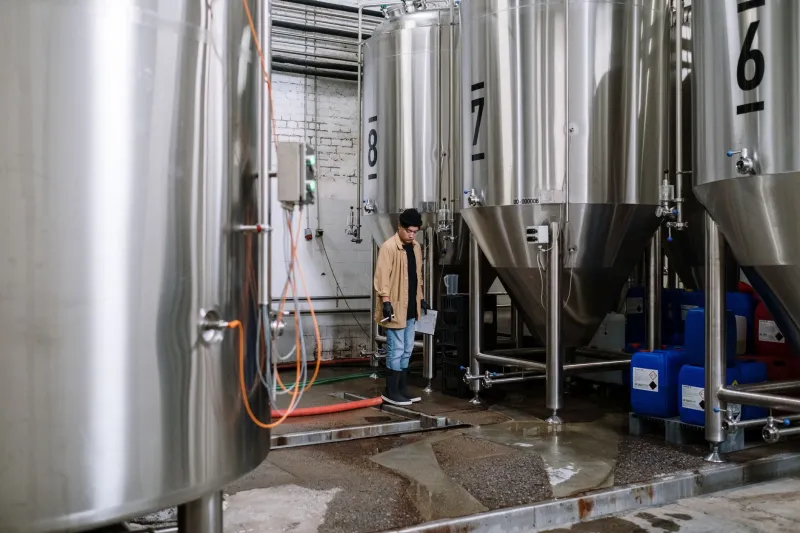
There's a practical logic underneath the romance. Breweries generate small volumes of liquid that can't be sold — tank bottoms, test batches, blends of dregs. Dumping them feels wasteful. Drinking them feels like a perk. Somewhere between those two impulses, a culture was born.
Rules You'll Never See Posted
Closing-time pours come with an unwritten code, and it varies from coast to coast.
In the Pacific Northwest, where taproom culture skews informal, the after-close beer is often a group affair — everyone still on shift takes a small glass, whatever's open gets finished, and nobody documents it. In the Midwest, several managers described a more structured ritual: one designated beer per week, poured by whoever closed the night before, consumed at the bar with the lights half-down.
A few rules surface almost everywhere:
- Staff beer is earned, not entitled. Most managers draw a hard line at drinking before closing. After the last guest walks out, the tone shifts entirely.
- The closer picks. Whoever handles the final hour typically gets first pour — a small nod of respect for the least glamorous shift.
- Small glasses. Nobody's getting rowdy at 11:45 p.m. on a Tuesday. These are tasting pours, four or five ounces, savored rather than slammed.
- What happens at the bar stays at the bar. Several breweries have explicit (if informal) policies against posting staff pours, partly for liability, partly because the magic dies when it becomes content.
That last rule matters more than it sounds. In an era when every pour is a potential Instagram story, the closing beer may be craft beer's last genuinely private ritual.
The Shift-End Lager
Talk to enough taproom workers and a pattern emerges: after eight hours of describing hop profiles to strangers, most staff don't reach for the IPA. They reach for lager.
"The fancier the beer list, the plainer the staff beer," laughs a manager in Asheville, North Carolina. "You spend all day talking people through a pastry stout. At the end of the night, you want a crisp pilsner you don't have to think about. Or honestly, a shot and a High Life. We're not monks."
This tracks with what brewers themselves report. Palate fatigue is real, and the delicate, low-bitterness, highly carbonated nature of a good lager resets the mouth in a way an aggressively hopped double IPA never will. It's the same reason winemakers famously drink beer after a long day of tasting — sometimes the palate wants simplicity.
But the staff fridge holds more than pilsners. At breweries with barrel programs, the closing pour is sometimes a sneak preview: a barrel-aged imperial stout pulled three months early, tasted as a checkpoint, framed as a privilege. Cellar work becomes a shared experience, and the staff becomes an informal quality panel.
Why It Matters More Than It Seems
It would be easy to file all this under industry perks — a free beer at the end of a shift, nothing more. But the managers we spoke to pushed back on that framing.
Closing time is when a taproom staff is most itself. The performance of hospitality is over. The debrief happens over that last pour: the difficult customer, the wedding party that took over the patio, the new beer everybody secretly thinks is a dud. Ideas for future releases get floated casually, half-joking, over four ounces of something that exists nowhere else on earth.
"Some of the best beers we've ever brewed started as a closing-time conversation," one manager told us. "Somebody says, what if we did that but with rye? And six weeks later it's on the board."
There's also a retention story hiding in here. Taproom work is demanding — physically, emotionally, often underpaid. The small ritual of the last pour costs a brewery almost nothing and buys something real: a sense that the place belongs to the people who run it, not just the customers who visit it. In an industry wrestling with turnover, that's not trivial.
The Pour Nobody Toasts
So the next time you're finishing your flight and the staff starts stacking chairs, spare a thought for what comes next. Somewhere behind that bar, in a few minutes, someone will pull a tap handle that isn't on the menu. The glass will be small, the company familiar, and the beer — more often than anyone admits — will be the best thing in the building.
You won't read about it anywhere. Except, well, here.