RIP, Favorite IPA: Inside the Bittersweet Ritual of Retiring a Beer
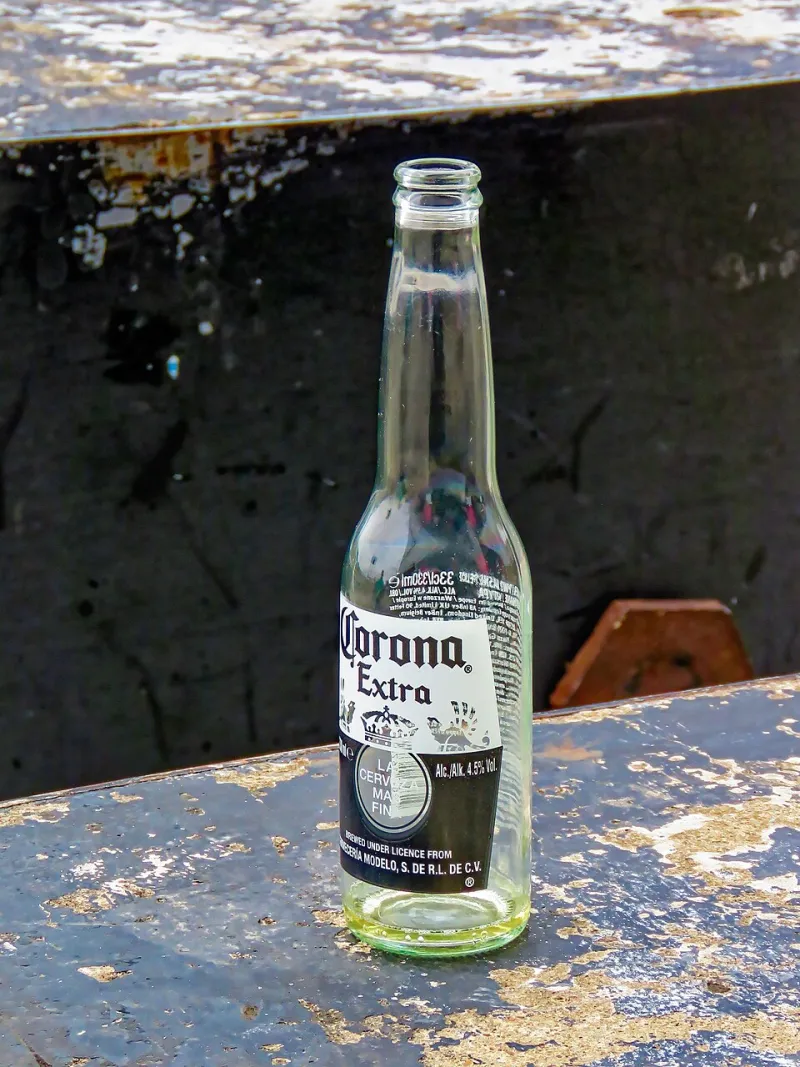
Photo: Acabashi, CC BY-SA 4.0, via Wikimedia Commons
There's a particular kind of heartbreak unique to craft beer drinkers. It doesn't involve a person. It involves a pint.
Maybe it was the hazy IPA you ordered every Friday after work. The stout that got you through your first winter in a new city. Then one day you walk into the taproom, scan the board, and it's just… gone. No farewell. No ceremony. Just a new sour in its place that you didn't ask for.
Welcome to the strange, tender world of the graveyard beer.
Why Good Beer Dies
From the outside, retiring a beer that sells well seems like business malpractice. But breweries operate under constraints most drinkers never see. Tank space is finite. A flagship that's steady but unspectacular might be hogging room for a seasonal release with twice the margin. Ingredient costs shift — that pale ale built on a hop contract from 2019 might be unrecognizable at 2024 pricing. And sometimes the beer simply stops being what the brewery wants to make.
"We don't think of it as killing a beer," one Colorado brewer told me, echoing a sentiment you'll hear across the industry. "We think of it as letting it complete its arc."
That language — arc, chapter, journey — isn't marketing fluff. It's how brewers metabolize a genuinely hard decision. Recipes are personal. A head brewer might have spent eighteen months dialing in a lager only to retire it three years later because taproom data says people want IPAs and people want IPAs and, well, people want IPAs.
The Fan Backlash Is Real — and Loud
When a major US brewery discontinues a cult favorite, the reaction plays out like a small digital funeral. Reddit threads fill with eulogies. Untappd check-ins spike as people drink their last cans "for the memory." Someone inevitably starts a petition, which never works but always gets signed.
Breweries have learned to handle this grief with varying degrees of grace. The smart ones don't go silent. They announce the retirement in advance, frame it as a celebration rather than a cancellation, and give fans a proper sendoff — a final release party, a commemorative glass, a last keg tapped at the anniversary block party.
The ones that handle it poorly? They just quietly delete the beer from the website and hope nobody notices. People notice.
The Rise of the Revival Release
Here's where it gets interesting for anyone watching beer culture evolve: death isn't always permanent.
A handful of American breweries have discovered that a retired beer, brought back briefly, can generate more excitement than anything new on the board. Nostalgia is a powerful ingredient — arguably more reliable than Citra hops. A "back for one weekend only" announcement turns a discontinued recipe into an event, complete with lines around the block and social feeds flooded with people posting photos of a beer they drank five years ago.
Some breweries have formalized this into an annual tradition. Others treat revivals like limited-edition sneakers: numbered, announced with teaser campaigns, gone within hours. It's a lesson borrowed from every other corner of American consumer culture — scarcity plus memory equals demand.
Could this become a full-fledged market? Probably not a whole economy, but expect more breweries to build "the vault" into their brand identity. A retired recipe isn't dead inventory; it's stored anticipation.
Why Saying Goodbye Builds a Stronger Brand
Counterintuitively, the breweries that retire beers well tend to earn more loyalty, not less. There's a trust that develops when a brewery shows it won't prop up a product out of fear. It signals confidence. It says: we make what we believe in, and we're not afraid to change.
It also mirrors the way craft beer drinkers already think. We preach seasonality. We chase limited releases. We understand, on some level, that impermanence is part of the pleasure. A beer that exists forever is a commodity. A beer that existed for a while — and got away — is a story you get to tell.
Pour One Out, Properly
If your favorite beer just got the axe, you have options. Write the brewery — genuinely, some of them listen, and fan volume has resurrected more than one recipe. Buy up the last distribution you can find and cellar it (dark, cool, and with realistic expectations — most IPAs don't age like wine). Or simply raise a glass and let it go.
Because that's the quiet truth underneath all of it: beer, like everything worth savoring, is temporary. The tap list is a living thing. What replaces your lost favorite might become the next one you can't live without.
And if it doesn't? There's always the revival tour. Somewhere out there, a brewer is already writing the "back by popular demand" post.
Until then — pour one out for the graveyard beers. They earned it.