RIP, Favorite IPA: Inside the Bittersweet Ritual of Retiring a Beer
When a beloved brew gets pulled from the lineup, fans grieve — and breweries brace for the backlash. But saying goodbye to a recipe might be the most honest thing a brewery can do.
Where Every Pour Is a Sacred Experience
When a beloved brew gets pulled from the lineup, fans grieve — and breweries brace for the backlash. But saying goodbye to a recipe might be the most honest thing a brewery can do.
Hops get all the glory, but what you hear while drinking might shape your pint just as much as what's in it. Meet the American brewers and sound scientists proving that a great pour deserves a great soundtrack — and learning to compose one.
Non-alcoholic beer spent decades as the punchline of the cooler aisle. A new wave of American brewers is treating it with the same care, ingredients, and ritual as their strongest stouts — and the results are quietly changing what a sacred pour can mean.
Before a single hop is added or a grain is milled, your beer has already been shaped by the ground beneath the brewery. We dig into how water chemistry quietly writes regional beer styles — and how you can taste the difference yourself.
Between the holiday rush and the first spring release, American craft breweries enter a strange, sacred lull. Here's how brewers mark the year's end — with cask nights, barrel taps, and the small traditions fans never see.
A quiet but powerful shift is happening at tap rooms across America — seasoned craft beer drinkers are ordering less and tasting more intentionally than ever before. This mindful consumption movement is changing how breweries think about releases, portion sizes, and the whole idea of what a great night with great beer actually looks like. We talked to brewers, regulars, and even a few psychologists to find out why restraint might be the most radical thing happening in craft beer right now.
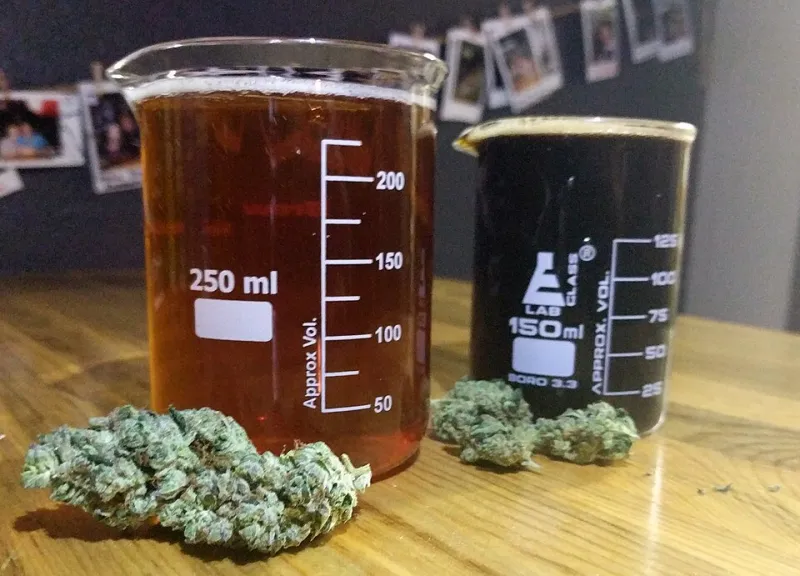
A new generation of brewers is walking into the brew house with chemistry degrees, microbiology lab experience, and a deep suspicion of the phrase 'that's not how it's done.' They're fermenting ingredients that have no business being in beer, engineering flavor compounds with surgical precision, and redefining what a pint can actually be. This is what happens when science falls in love with craft.
Water is the ingredient nobody talks about — until it starts disappearing. Across the American West and beyond, craft breweries are facing an existential reckoning with scarcity, agricultural competition, and municipal strain. The brewers who survive will be the ones who treated every drop as sacred long before they had to.
A quiet revolution is happening in malt rooms and farm fields across the country. A growing number of craft brewers are ditching commodity barley in favor of grains that haven't seen a brewing kettle in centuries — and the beers coming out the other side taste like nothing you've had before.
Some breweries make great beer. A rare few make you feel something you can't quite name — a pull that brings people back year after year, mile after mile. We mapped the destinations that serious beer lovers treat less like stops on a road trip and more like acts of devotion.
Most people drink beer. Far fewer actually taste it. There's a real difference — and it doesn't require a certified cicerone credential or a fancy tasting room to experience it. This guide walks you through a deliberate, all-senses approach to beer tasting that will make your next pour feel like a completely different experience.
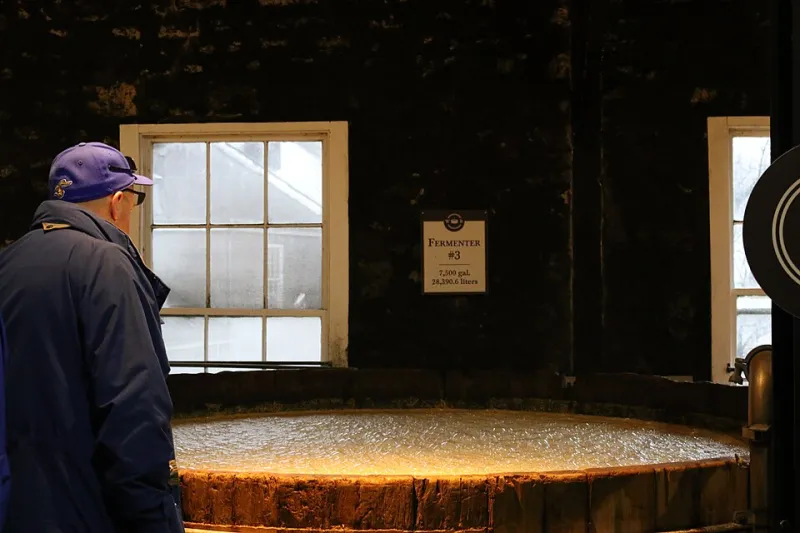
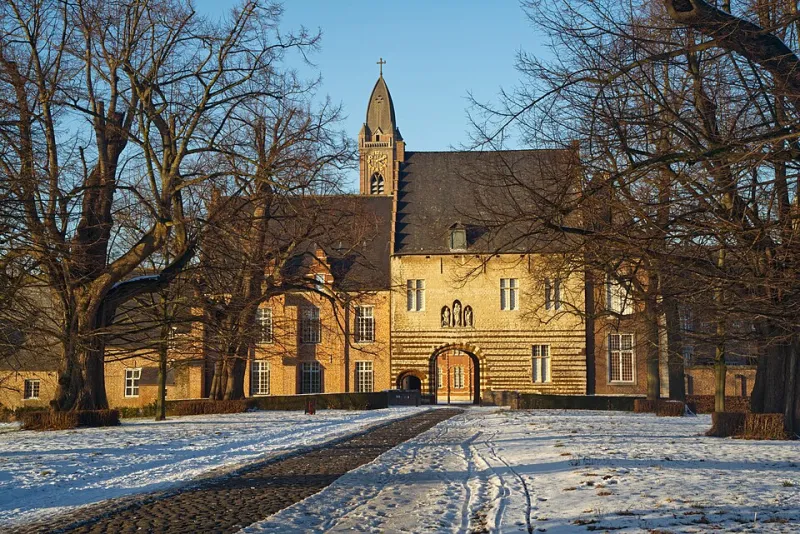
Long before craft beer became a cultural movement, fermentation was considered something close to a miracle — a living process that connected humans to forces far beyond their control. From Belgian abbey cellars to Japanese koji rooms, brewers across centuries and continents have approached fermentation with something that looks a lot like reverence. Understanding that history might just change the way you think about every pint you pour.
Wine drinkers have had their dedicated cellars and curated racks for generations. Now craft beer enthusiasts are building something just as intentional — and in many ways, a whole lot more personal. We explore the psychology, the design, and the devotion behind the home beer sanctuary.
Long before craft beer became a cultural movement, monks were perfecting the art of intentional brewing behind stone walls and in candlelit cellars. Today, a growing number of American brewers are reaching back to those contemplative roots — and what they're pulling forward is changing the way we think about what's in the glass.
A growing number of craft breweries are turning down the volume — literally — to help drinkers taste more deeply. Silent tasting sessions and acoustically designed taprooms are proving that when the noise fades, the beer speaks louder than ever.
Wine drinkers have talked about terroir for centuries, but craft brewers are increasingly making the same argument about beer — that where you brew matters as much as how you brew. From the mineral-rich aquifers of the Rockies to the soft coastal water of the Pacific Northwest, American craft beer is developing a genuine sense of place.
Most of us crack open a beer and start drinking without giving it a second thought. But what if slowing down — even just for a few minutes — completely rewired the way you experience every pour? Here's how intentional tasting can turn a casual habit into something genuinely meaningful.
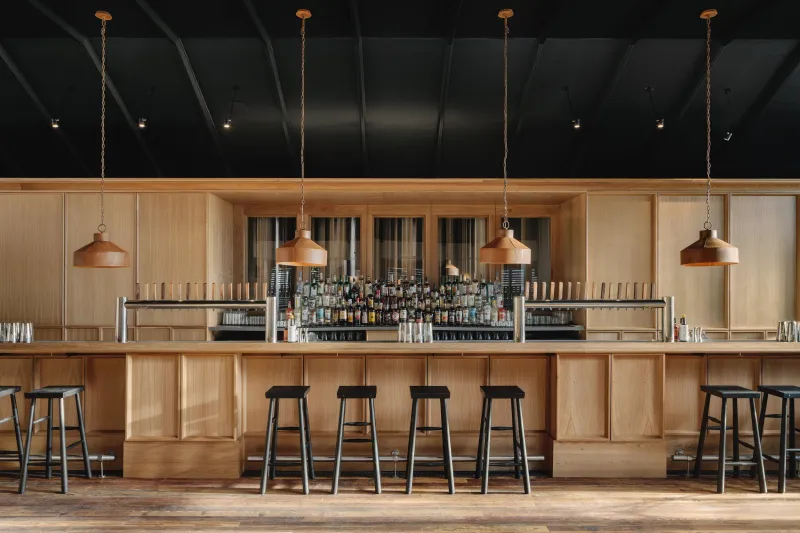
A new generation of American breweries is treating their taprooms as something far more intentional than a place to sell pints. From reclaimed timber and cathedral ceilings to quiet reading nooks and garden courtyards, these eight spaces were built to make you feel something — and they're pulling it off.