Fill It Fresh, Drink It Fast: The Case for the Growler in a Canned World
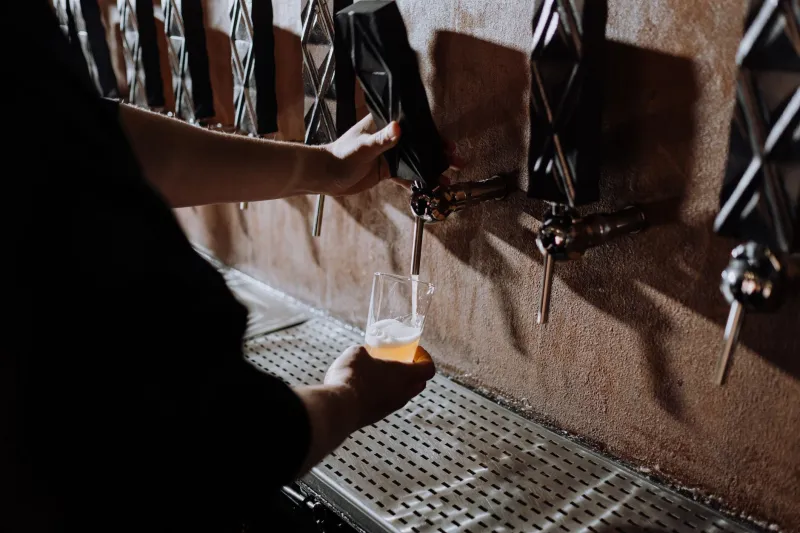
There's a moment at every good taproom that cans will never replicate. The bartender unhooks the growler from the filler, wipes the neck, and slides it across the bar with a small nod — like handing over something borrowed from the brewery itself. It's warm glass, a paper receipt, a beer that has never touched a packaging line. And it has an expiration date measured in hours, not months.
That ticking clock is exactly why the growler is having a strange second act in American craft beer. As canned product floods grocery aisles and tap handles become brand extensions, a stubborn handful of breweries are treating the jug not as a relic but as a statement of intent.
The Honest Container
Talk to anyone who fills growlers for a living and the same word keeps surfacing: honest.
"A growler doesn't lie," says a taproom manager at a mid-sized Colorado brewery who asked to be described only by her first name, Dana. "There's no label design, no marketing. It's whatever came out of our tank this week, and you're drinking it while it's still alive."
That's the philosophical core of the pro-growler camp. Cans and bottles are snapshots — beer frozen at packaging and shipped across the country to be consumed months later. A growler is more like a live broadcast. It's beer at its freshest possible state short of standing at the tap itself, poured straight from the source and meant for your kitchen table tonight or tomorrow.
For breweries, that's also a kind of accountability. You can't hide behind a best-by date. If the beer's off, the customer knows within a mile of the drive home.
The Oxygen Problem, Taken Seriously
Of course, the growler's critics have a point, and it's a scientific one: oxygen. Every time you crack the lid and pour, air rushes in. Hops fade, malt dulls, and that dazzling double IPA becomes a polite ghost of itself within a day or two.
But the debate isn't really growler versus can. It's careless fill versus careful fill.
The best fill lines — counter-pressure fillers, CO2 purges, foam-on-top seals — treat a growler like a miniature keg. The worst are just a hose and a prayer. Craft beer's growler problem was never the jug; it was the shortcuts.
"We purge every jug with CO2 before it's filled," Dana says. "We cap on foam. If someone brings in a scratched-up growler with a dented neck, we'll hand them a new one rather than risk a bad seal. It takes ninety extra seconds. It's worth it."
Regulars notice. At a busy Saturday fill line in Asheville, one customer told us he plans his whole weekend around fresh fills — Friday growler for the backyard, Saturday crowlers for the lake, and never anything he can't finish within two days. "It changes what you buy," he said. "I'm not grabbing a growler of a barleywine I want to nurse for a month. I'm getting the pilsner that was tapped Tuesday."
Beer Meant to Be Shared
There's a social dimension to the growler that often goes unmentioned. A 64-ounce jug is, by design, not a single-serving package. It's a campfire container. A porch container. A bring-something-to-your-brother's container.
Brewery staff talk about this like it matters, because it does. Cans are optimized for hoarding — stack them in the fridge, save the shelf-turb for a special occasion, forget about it for eight months. Growlers resist that. They whisper a deadline. Drink this soon. Share it. Don't let it sit.
In an era when beer collectors build cellars worthy of wine and rare releases get resold online at absurd markups, the growler is almost countercultural. It's a package that actively discourages collecting. It's beer as a living thing with a short, good life — which, honestly, is closer to the truth of what beer is than any four-pack of twelve-percent imperial stout in a wax-sealed box.
The Economics of the Jug
Let's be practical for a second. Growlers are also one of the last great values in craft beer, at least for the customer. Filled from a taproom's own tanks, without the cost of a canning run, labels, distributor margins, and shelf placement fees, the same beer often runs noticeably cheaper per ounce than its canned counterpart.
For small breweries, though, the math is more complicated. Fill lines cost money. Glass breakage, returns, and the labor of hand-filling add up. That's why the crowler — the single-use 32-ounce can filled at the bar — became so popular. It's lighter, it seals reliably, it travels well.
But the crowler, for all its convenience, lost something. It's a can. It's anonymous. It doesn't clink with that hollow jug sound, doesn't carry a brewery's sticker on its shoulder, doesn't feel like a vessel with a history.
Last Pour
Nobody's predicting a growler renaissance that dethrones the can. Cans are better for the beer in almost every measurable way: lighter, fully opaque, infinitely sealable, shelf-stable.
But maybe that was never the contest. The growler isn't competing with the can on preservation. It's competing on presence. It's the only package that says, this beer was made here, this week, by people you just talked to, and it will not wait for you.
Fill it fresh. Drink it fast. That's not a flaw in the design. That's the whole point.