The Invisible Hand on the Tap Handle: A Week in the Life of a Beer Buyer
The Person You've Never Met, Pouring Everything You Drink
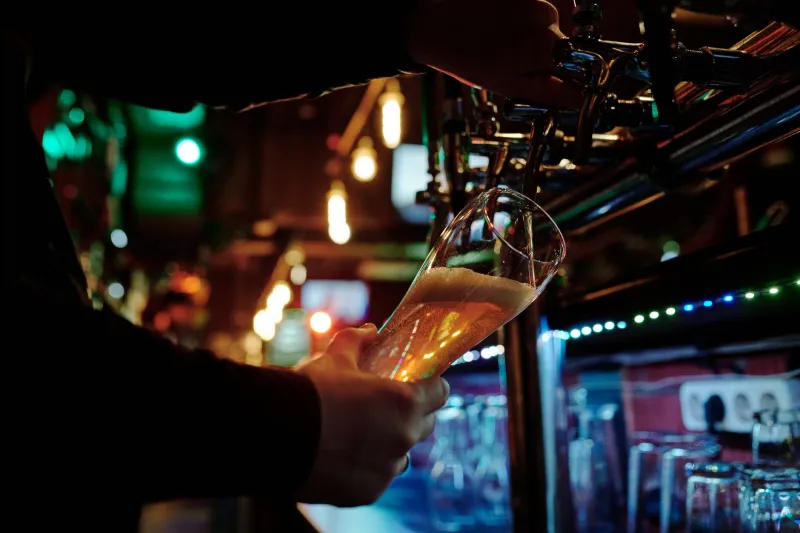
Every tap handle at your neighborhood bar was put there on purpose. Not by accident, not by the brewery alone, and not by luck — but by a buyer. Beer buyers, beverage directors, and tap-list curators are the invisible middle layer of American craft beer, the people who taste hundreds of beers a month so you only have to choose among twenty-four.
We spent a week following Dana Okafor, beer program director at a busy gastropub in Columbus, Ohio, to understand what actually goes into the board hanging above the bar. What we found was part science, part diplomacy, and part heartbreak.
Monday: The Palate Reset
Dana's week starts before the bar opens, with what she calls a "clean tasting" — no music, no food, just six new samples lined up on the bar in stemless wine glasses.
"Monday me is the most honest me," she says, swirling a hazy IPA from a young Ohio brewery. "By Friday I've talked to fifteen sales reps. Monday, it's just me and the beer."
She scores everything on a simple card: aroma, balance, finish, and — the column most buyers won't admit to — "does it fit us?" A flawless imperial stout can still get cut if the bar's identity doesn't have room for it. Dana calls this the sacred question of the job: not is this good? but is this good here?
Tuesday and Wednesday: The Negotiation Dance
Midweek is when the phones light up. Distributor reps pitch the new seasonal releases, push for tap placements, and dangle exclusives. Dana keeps a spreadsheet that tracks not just what she buys, but how it sells — velocity per week, pour margins, even which handles get the most eye traffic on the draft tower.
"There's a real art to saying no without burning a bridge," she explains. "That rep who I turn down in January? I might need a rare barrel-aged release from them in November. This industry runs on relationships the way it runs on yeast."
The negotiation isn't just commercial. Local loyalty plays a constant role. Dana reserves a rotating "neighborhood tap" for breweries within fifty miles, even when the numbers say a national favorite would outsell them. "If we don't pour the local stuff, who will?" she shrugs. "That's not charity. That's what a tap list is for."
Thursday: The Cut List
Every bar has a tap that has to go, and Thursday is execution day. This week's casualty: a well-made pilsner from a respected regional brewery that simply hasn't moved in six weeks.
"Cutting a beer feels weirdly personal," Dana admits. "You know somebody at that brewery loves this beer. But a tap list is a living thing. If nothing ever leaves, nothing new ever arrives."
Her rule of thumb is a blend of data and instinct: two slow weeks earns a warning, three earns the axe — unless the beer fills a stylistic slot nothing else covers. A draft wall, she insists, needs contrast the way a meal needs salt. Lagers next to stouts, a wild card sour, one crowd-pleasing light option that requires zero explanation.
Friday: Reading the Room
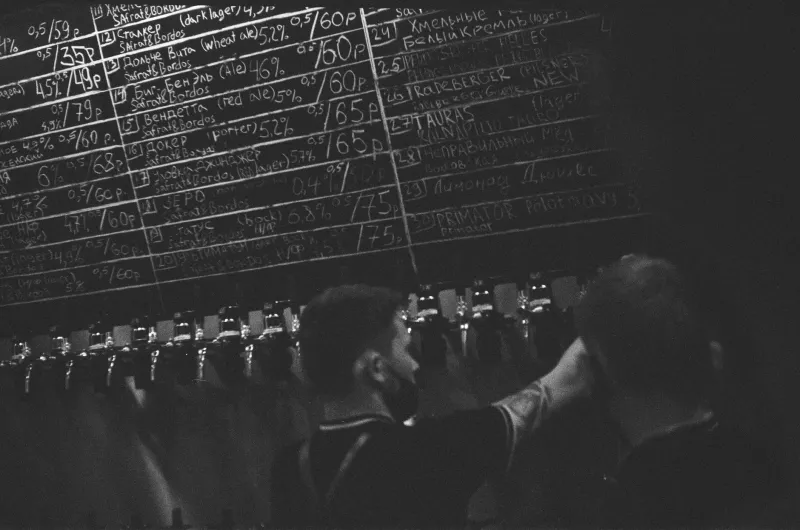
By Friday night, the new list is live, and Dana works the floor, watching what people actually order. Customer psychology is its own discipline: beers with story-driven names outsell plainer labels; the second tap from the left gets disproportionate attention; and a shocking number of drinkers order whatever the bartender volunteers enthusiasm about.
"The menu is a conversation," she says. "I'm not picking beers for a magazine review. I'm picking them for the guy who just got off second shift and the couple celebrating an anniversary and the beer nerd who'll interrogate me about the nitro line."
The Devotion Nobody Sees
Ask Dana about the craft of buying, and she gets almost pastoral about it. "A tap list is a promise," she says. "Every handle says: we tasted this, we believed in it, we made room for it. That's a sacred little act, if you think about it."
So the next time you're staring up at a draft wall, wondering what to order, spare a thought for the whisperer behind it — the person who tasted the duds so you wouldn't have to, fought for the local underdog, and made the cut that made your favorite pour possible. Every great list has a ghost. Now you know their name for the job.