The Quiet Weeks: What Brewers Do When the Taps Slow Down and the Year Runs Out
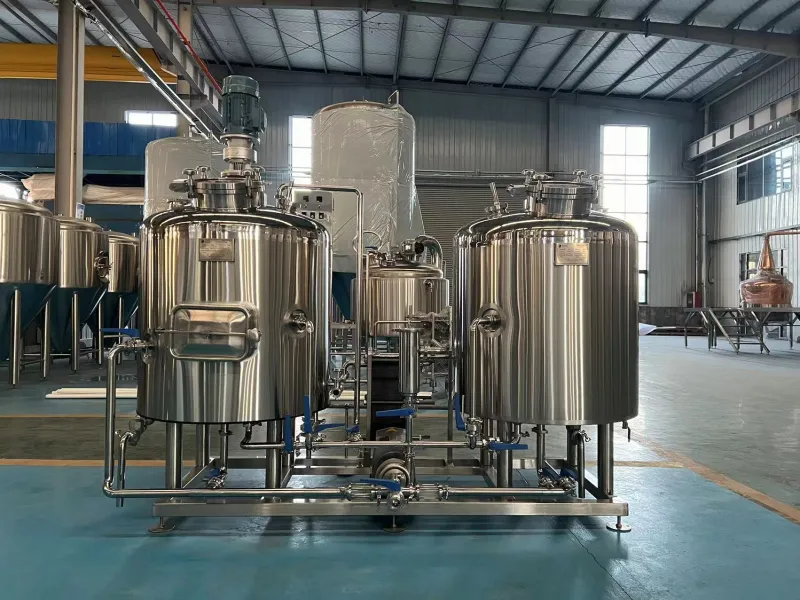
Walk into a craft brewery on the second week of January and you'll notice something most visitors never get to see: silence. Not the uncomfortable kind — the settling kind. The fermentation tanks still hum, the glycol lines still chatter, but the taproom that roared through December now holds a handful of regulars and a bartender who finally has time to talk.
Brewers call this stretch the quiet weeks — the gap between the holiday rush and the first spring lineup. And for many small breweries across the country, it's become the most meaningful part of the year.
The Keg That Marks the Calendar
At breweries from Vermont to Portland, Oregon, there's often one barrel or one keg that doesn't get tapped in November with everything else. It waits. Some call it the last keg of the year; others don't call it anything at all. But when the final week of December arrives, staff gather around it.
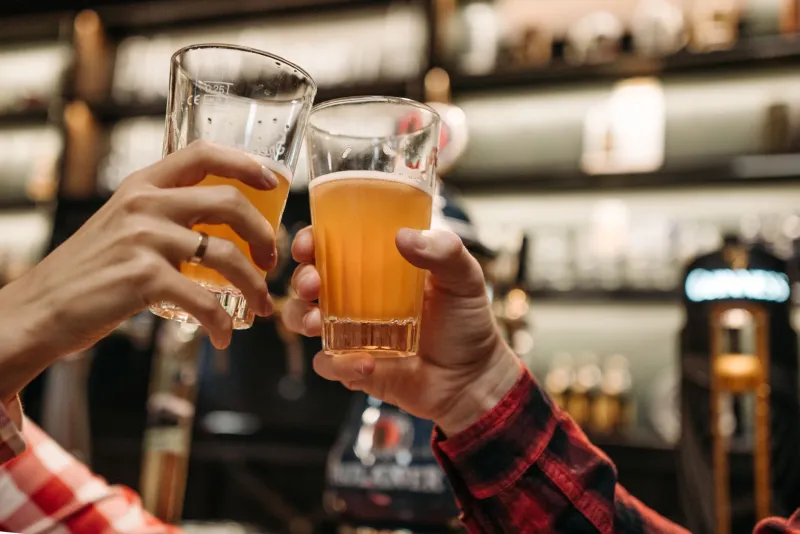
These aren't marketing events. No Instagram countdowns, no ticketed releases. Just the people who brewed, cleaned, packaged, and hauled that beer all year, sharing a pour of something they set aside twelve months earlier — often a barrel-aged stout or a wild ale that needed the extra time.
One brewer in Asheville described it to us as "closing the loop." The beer in that barrel was made by the same tired hands that survived the holiday canning crunch. Tasting it together, he said, is the only honest way to end the year.
Grief, Gratitude, and the Books
Not every year-end ritual is celebratory. The quiet weeks are also when small breweries take stock — literally and emotionally. Beers that didn't sell get poured out. Recipes that didn't work get retired. Sometimes the conversation turns to staff who moved on, or the near-misses that could have sunk a small operation.
There's a version of this in almost every industry, but brewing makes it physical. A failed batch isn't a spreadsheet entry; it's thirty barrels of someone's effort going down the drain. Brewers we spoke with describe an end-of-year tasting where every beer from the past twelve months gets revisited — the hits and the misses alike — before anyone plans the next year.
It's part performance review, part wake, part toast. And it's one of the reasons the beer you drink in February tends to taste more considered than the beer you drank in July.
Staff-Only Cask Nights
Ask around and you'll hear about cask nights — informal, employees-only evenings where firkins of something unfiltered and unreleased get tapped in the back of the brewery. No menus. No style guidelines. Sometimes it's an experiment that never made it to the taproom; sometimes it's a cask of a flagship conditioned differently, just to see.
These nights matter more than they might seem. In an industry where the public tasting room is the storefront and the brand, the cask night is one of the few spaces left that belongs entirely to the people behind the bar and brewhouse. Veterans pass knowledge to new hires over those firkins. Recipes get argued about. Someone always brings their partner, someone always brings a guitar.
A few breweries have started extending a version of this to loyal regulars — a mug-club cask tapping in mid-January, say — but most guard the tradition closely. Its value comes from being small.
Cleaning as Ceremony
There's a less romantic ritual too, and it deserves equal billing: the deep clean. The quiet weeks are when tanks get scrubbed, draft lines get replaced, floor drains get the attention they've been begging for since October. It's unglamorous work, but ask any brewer and they'll tell you the same thing — great beer starts with a clean cellar.
Some operations have turned even this into ceremony. The first tank cleaned and refilled in the new year often gets a small chalk mark, a tradition borrowed from monastic brewhouses where the calendar was written in the brewery itself.
Why Enthusiasts Should Care
Here's the thing: these rituals shape what ends up in your glass. The barrel-aged release you waited in line for in December? It exists because a brewer chose patience over volume. The refined recipe that shows up in spring? It was reworked over a cask night in January, argued about by people who weren't being paid overtime to care.
Craft beer's story is usually told through releases and ratings. But the real culture lives in these in-between weeks — the quiet, deliberate moments when a brewery decides who it is before the next rush begins.
So the next time you visit your local taproom on a slow January afternoon, linger a little. Ask what's brewing. You might be standing in the middle of the most important season of their year — the one that doesn't come with a label.