Zero Proof, Full Reverence: Inside the Rise of Non-Alcoholic Craft Beer Done Right
Photo: JIP, CC BY-SA 4.0, via Wikimedia Commons
For most of American drinking history, non-alcoholic beer was an apology. It came in a skunky brown bottle, tasted faintly of wet cardboard, and existed only for the designated driver or the guy at the airport who'd already had three. Nobody toasted to it. Nobody meditated over it. Nobody built a brewery around it.
That era is over.
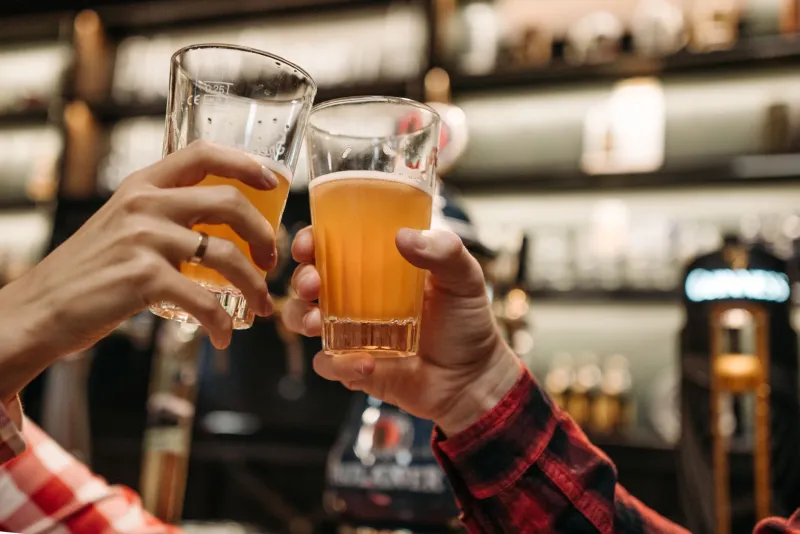
Walk into a serious craft taproom today — in Portland, in Asheville, in the breweries of Grand Rapids and San Diego — and you'll likely find an NA pour listed right alongside the barrel-aged imperial stout. Not tucked in a corner. Not printed in smaller type. Listed, described, and poured with the same reverence as everything else on the board. And if the brewers doing this well have anything in common, it's a shared conviction: a beer without alcohol can still be a beer worth slowing down for.
The Problem Was Never the Absence. It Was the Shortcuts.
The old NA beers failed for the same reason bad decaf failed — everyone treated it as a subtraction problem. Remove the alcohol, ship the result, apologize.
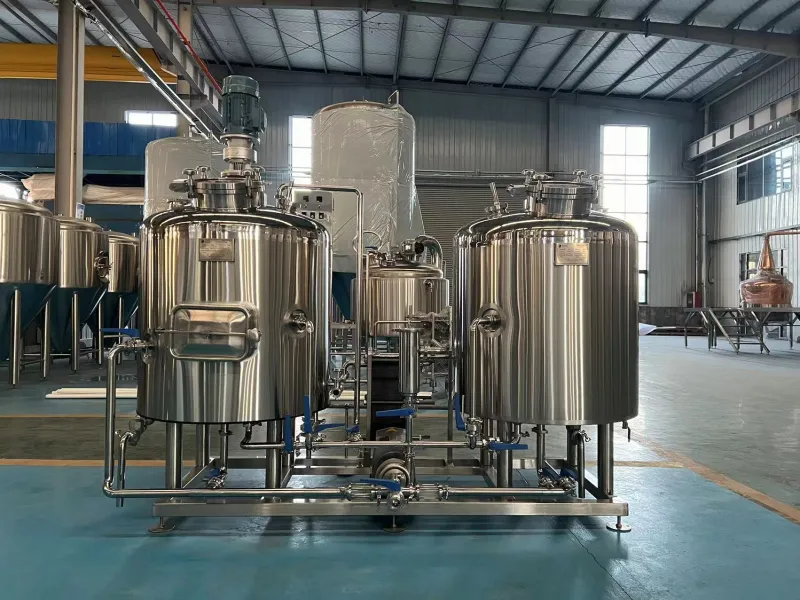
The new generation of brewers approaches it as an addition problem. How do you build a full-flavored beer knowing you can't lean on alcohol's body, warmth, and aroma-carrying power? The answers look a lot like the rest of craft brewing's best work: specialty yeasts that ferment to near-zero without producing off-flavors, halted fermentations timed to the degree, vacuum distillation that strips alcohol gently at low temperatures, and aggressive dry-hopping to compensate for the aromatic lift alcohol usually provides.
Malt bills get richer. Water chemistry gets dialed in harder. Hops get used more generously, because in an NA beer there's nowhere for a mediocre ingredient to hide. In a strange way, the constraint makes the beer more honest. Every choice in the glass is a choice someone made on purpose.
Brewing as Practice, Not Just Product
There's a phrase that comes up again and again among brewers who take NA beer seriously: it's a discipline. And discipline, in the old sense of the word, is exactly what Sanctum's philosophy has always been about — the idea that great beer emerges from attention, patience, and repetition.
Consider what brewing an exceptional NA lager actually demands. Fermentation has to be arrested at precisely the right moment, or you end up with either too much residual sugar or a worty, grainy sweetness that no amount of hopping can rescue. Dealcoholization equipment can cost more than a brewhouse upgrade. Recipes that work at 6% ABV fall apart at 0.4%, because alcohol was doing structural work nobody noticed until it was gone.
Brewers who succeed here aren't phoning it in. They're often working harder than they do for their flagship IPA. That effort shows up in the glass, and it's why the best NA beers now sit in blind tastings next to their full-strength siblings and hold their own.
Mindful Drinking Meets the Slow Pour
The cultural current underneath all of this is bigger than any single brewery. A growing number of American drinkers — millennials and Gen Z especially, but plenty of older folks too — are rethinking their relationship with alcohol. Some quit entirely. Most, surveys suggest, are simply drinking less and better. The 'sober curious' movement, for all its Instagram-friendly sloganeering, points at something real: people want the ritual without always wanting the reckoning.
And ritual is the key word. The slow-beer philosophy we've championed in these pages — the unhurried pour, the warm glass, the first inhale before the first sip — was never actually about the alcohol. It was about presence. About treating a beer as an experience rather than a delivery mechanism.
Which raises an honest question: can a 0.5% or 0.0% pour deliver the same experience? Sit with a well-made NA pilsner on a summer porch, or a non-alcoholic stout with real roasty depth by a fire, and the answer starts to feel obvious. The pause, the aroma, the attention — none of that requires ethanol. It requires intention. Arguably, drinking an NA beer requires more intention, because nothing numbs the experience if you don't bring your full attention to it.
Not a Trend. A Return.
It's worth remembering that low-alcohol beer is older than strong beer. Table beer, small beer, the everyday ales that sustained working Americans for centuries — most of what humanity has historically brewed was modest in strength. The session-obsessed, high-ABV arms race of the last fifteen years was the anomaly, not the rule. In that light, the rise of serious NA craft beer isn't a rejection of beer culture. It's a homecoming.
The breweries leading this shift aren't chasing a fad. They're treating the non-alcoholic category the way the best brewers treat everything: as a craft problem worthy of their full skill, their best ingredients, and their genuine curiosity. Some are dedicated NA producers who never brew with alcohol at all. Others are established names adding a second, quieter line to their portfolio.
Either way, the message to the drinker is the same: you are not an afterthought. Your pour matters.
The Second Pour Is the Point
There's a quiet pleasure in ordering a second beer and knowing you'll remember the evening. In lingering over a pour because you want to, not because you've lost the ability to leave. In tasting a beer the way a brewer tastes it — fully, soberly, with all your senses online.
Maybe that's the real promise of this movement. Not that NA beer will replace the pint, but that it will sit beside it as an equal: another doorway into the same room, another way to make a pour sacred. The glass doesn't care what's in it. The attention you bring is what turns beer into an experience.
And attention, as it turns out, pairs beautifully with anything.